OpenAI just changed ChatGPT forever with GPT-6, Intelligent UI & Widgets
OpenAI’s latest GPT-6 update introduces a major shift in how ChatGPT works.
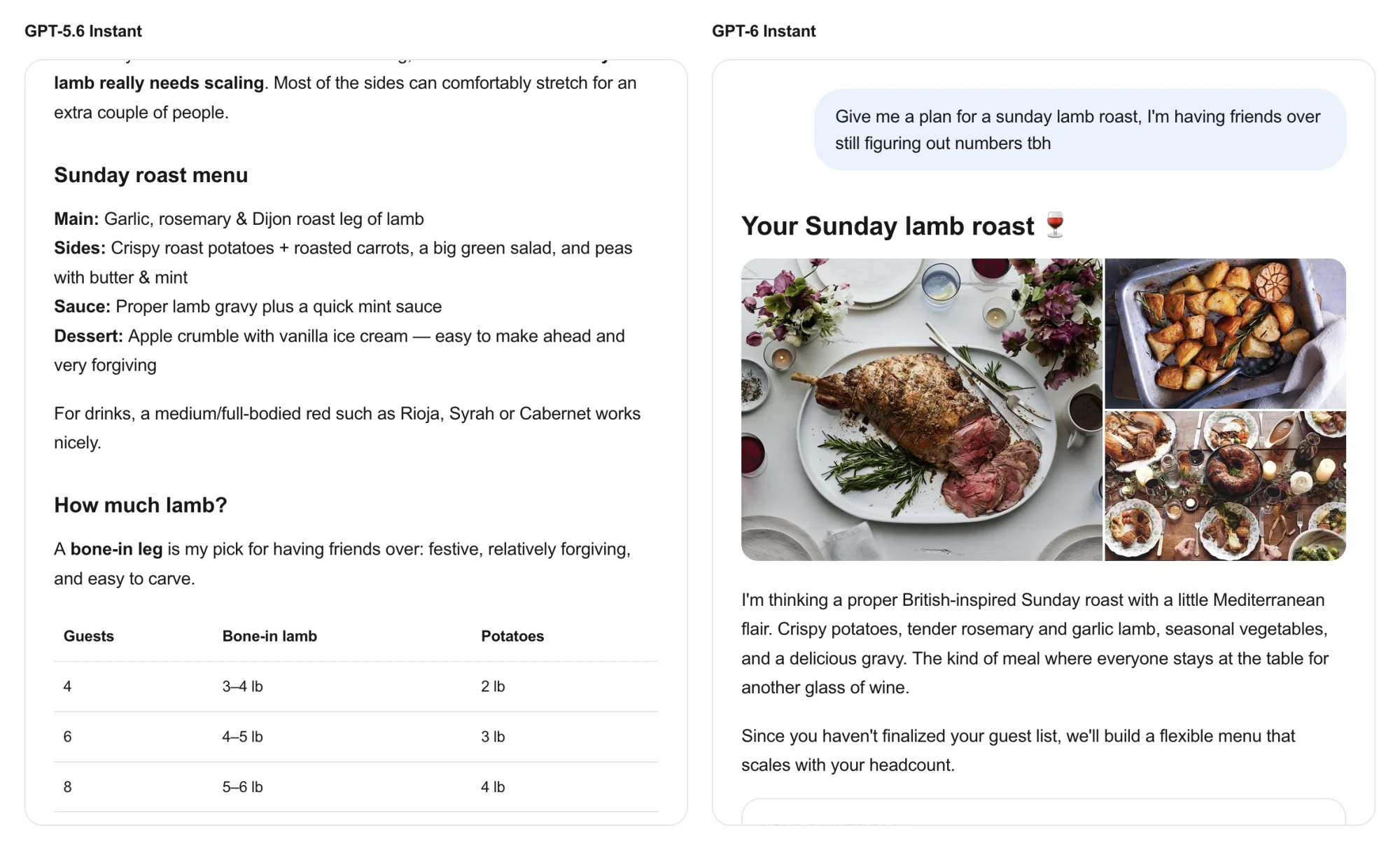
OpenAI’s latest GPT-6 update introduces a major shift in how ChatGPT works. Instead of simply responding with text, GPT-6 can create interactive experiences tailored to what the user is trying to accomplish.
The biggest new feature is Intelligent UI. GPT-6 can decide when a normal text response is enough and when an interactive interface would be more useful. This can include charts, diagrams, buttons, forms, calculators, and other interactive elements.
This means users can increasingly describe what they want to accomplish without having to know which tool or application they need. ChatGPT can create an appropriate interface directly within the conversation, making the experience more dynamic and personalized.
For example, instead of simply explaining a mathematical concept, GPT-6 could create an interactive visualization that lets you change values and immediately see the results. It can also turn information into charts or create small tools that help users work with the information directly.
Another important improvement is speed. GPT-6 can begin producing an answer while it continues reasoning or working with tools. Rather than waiting for everything to be completed before seeing a response, users can start receiving useful information earlier.
OpenAI also says GPT-6 has improved its ability to use the web. The model is better at determining when searching is necessary and at finding information that is relevant to the question. This is particularly useful for questions that require up-to-date or detailed information.
GPT-6 also includes improvements to reasoning and reliability. OpenAI says the model is better at handling difficult tasks and at recognizing its own limitations. Rather than confidently providing an incorrect answer, it is designed to be more transparent about uncertainty and what it can or cannot do.
Safety has also been strengthened. GPT-6 includes improved defenses against attempts to bypass its safeguards, including attacks that adapt over multiple interactions. OpenAI highlights improvements in areas such as cybersecurity, biological risks, and other potentially harmful requests.
The rollout represents a broader change in OpenAI’s vision for ChatGPT. The goal is not simply to build a better chatbot that gives better answers. Instead, ChatGPT is becoming a system that can create the right experience for the task.
This could eventually change how people interact with software. Instead of learning how different applications work, users could describe their goal and have an AI system generate the tools, information, and interface they need.
The most significant idea behind GPT-6, therefore, may not be that it is simply more intelligent than previous models. It is that the interface itself can become intelligent and adapt to the user.